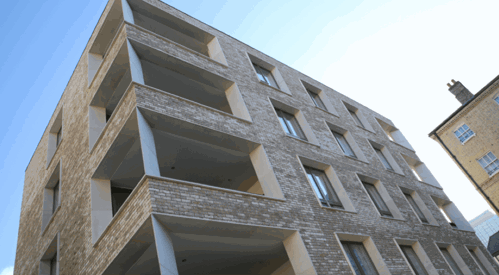

The first year of the three-year Group Strategy focused on better services for residents, better together for colleagues and better homes and places. During the year, we invested heavily in residents’ homes, supported residents to increase their incomes and provided activities and support in local communities. We also built new affordable homes where we could.
We listened to residents and worked hard to act on what they told us. We’ve made progress but there’s still more to do.
£1.09bn
turnover and a surplus before changes in the value of investment properties of £279m.
£1.1bn
saved by residents compared to what they would have paid to rent in the private sector. Our average weekly social rent was £152.
£428m
spent on residents’ homes, making them safer, more energy efficient and comfortable to live in.
£415m
invested in new homes, completing 1,911 new homes, 78% of which were affordable.
Group turnover increased to £1.09bn (2025: £1.03bn), while the operating surplus before changes in the value of investment properties increased to £279m (2025: £220m). The Group reported total assets of £13.8bn (2025: £12.8bn).
At £152 a week, Peabody’s rents remain significantly below the private rental market, saving residents a combined £1.1bn compared to renting in the private sector.
Peabody’s credit ratings are A3 (stable outlook) from Moody’s, BBB+ (stable outlook) from S&P Global, and A (negative outlook) from Fitch.
In April 2026, the Regulator of Social Housing (RSH) confirmed Peabody’s ratings of G1 for governance and V2 for financial viability. It also issued Peabody’s first grading against the Consumer Standards of C2. Since then, the Board has approved an Action Plan to address the areas which were identified as requiring improvement in the RSH’s judgement and to move the organisation’s compliance towards a C1 position.

Residents
We prioritised investment in residents’ homes and strengthened our complaints and repairs services, making them more local and accountable. We made it easier for residents to get in touch, adding a Live chat service (which handled more than 21,000 conversations) and significantly cut the time it takes for calls and emails to be answered (by a third and a half respectively).
Responding to residents’ feedback, we held more local drop-in sessions outside standard working hours, making it easier for residents to speak to colleagues. We also worked with resident scrutiny panels, regional groups and forums giving residents opportunities to shape priorities, monitor progress and hold senior colleagues to account. In total, 2,462 residents got involved throughout the year, giving us valuable feedback on how we can improve our services. A third resident, Nivene Powell, joined the Peabody Board, helping increase the resident voice at the highest levels of the organisation.
We supported thousands of households with financial pressures, distributing food and energy vouchers, helping them claim support they’re entitled to and signposting others to where they can get additional help. Together, this boosted income for these households by a combined £4.2m.
We continued to make incremental progress in formal resident satisfaction. Combined satisfaction with Peabody as a landlord was 54 percent (2025: 53 percent). For residents who rent their homes, the figure was 59 percent and for homeowners it was 27 percent (2025: 59 percent and 23 percent respectively). Accelerating this improvement is a key priority for the organisation.


"This year has been about listening to residents and acting on what they said. They told us they wanted more reliable repairs, better communication and confidence that when they tell us something needs to change, we act. We have listened and made changes. Our financial performance is strengthening, giving us a resilient platform from which to continue making improvements that residents can see and feel in their homes, services and neighbourhoods."
Ian McDermott CBE, Peabody Chief Executive
Homes
We spent £428m improving and maintaining residents’ homes. This included £218m on planned maintenance and responsive repairs, helping keep residents’ homes safe, secure and in a good condition. The remaining £210m was spent on larger improvement works, including new kitchens, bathrooms, roofs and windows. Of this total, £74m was invested in fire safety work, including checking fire doors.
The number of residents’ homes with an Energy Performance Certificate (EPC) rating of C or above rose to 84 percent (2025: 81.7 percent) and the average Standard Assessment Procedure (SAP) rating was 74.9 (2025: 74.5).